
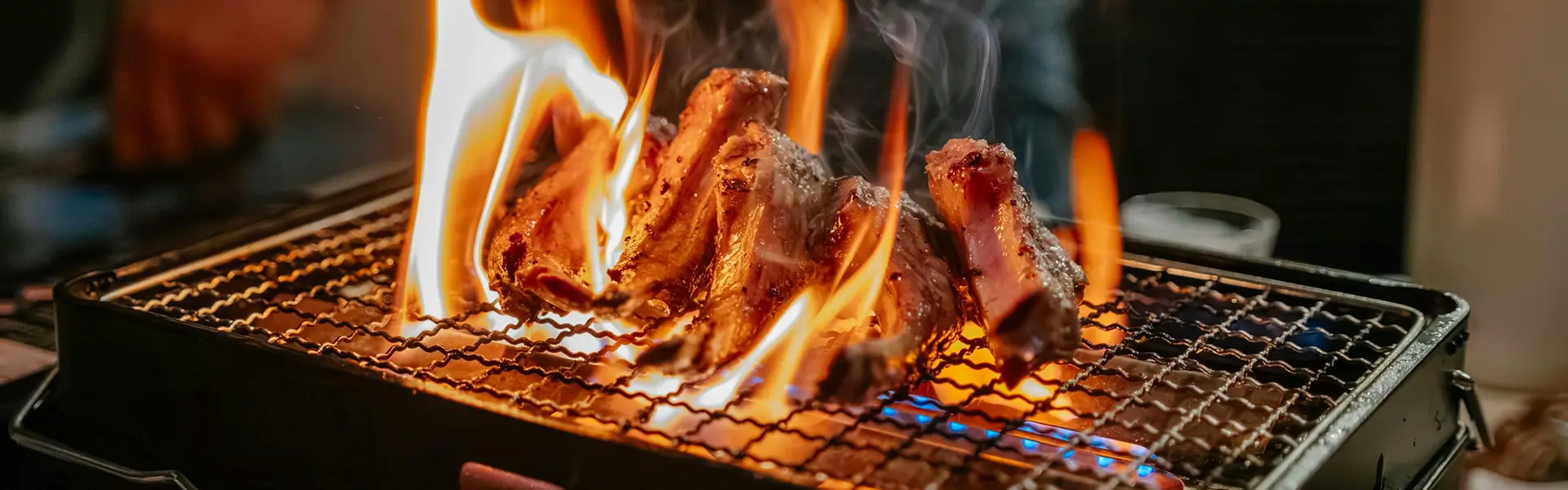
As the weather warms up, braai season starts and gas use climbs. That’s when small issues in LPG gas installations turn into leaks, poor flame quality or emergency call‑outs on a Saturday afternoon. A simple gas safety check routine before summer helps you get ahead of those problems and keeps your name clean when things get busy.
This isn’t about overcomplicating the work. It’s about checking the basics properly – gas hose, pigtail hose, gas regulators, gas fittings and the fixed lines, especially where you’re using PEX‑AL‑PEX gas pipe.
Start each pre‑summer visit the same way
Having a set way of doing a gas safety check saves time and stops you missing something when the phone doesn’t stop ringing.
Look at the whole LPG gas installation from the cylinder or supply point, along the line, right up to the appliance. Make sure the layout still makes sense, that nothing has been bent out of place, and that nobody has “improved” the system since you were last there.
Once you’re happy with the big picture, move in on the key parts: hoses, regulators, fittings and any PEX‑AL‑PEX gas pipe in the run.
Gas hose – small piece, big risk
Flexible hoses are often where things go wrong. Clients move appliances, drag cylinders, or leave a gas hose in full sun for years. So every pre‑season gas safety check should include a careful look at all exposed gas hose.
Run your hand along the hose. If the rubber is hard, cracked, sticky or “chalky”, it’s on its way out. Watch for flat spots where it’s been pinched behind cabinets or under cylinders. Heat marks or melted areas near burners or ovens show it has been too close to a hot surface.
Good reasons to replace a gas hose on the spot include:
- Visible cracks, hard sections or deep kinks
- Burnt or heat‑damaged areas near appliances
- Non‑compliant hose with no clear markings
Any hose that doesn’t look right should be replaced, not “monitored”. You don’t want to be back there in a month because a tired gas hose finally failed in the middle of braai season.
Pigtail hoses that are outside and forgotten
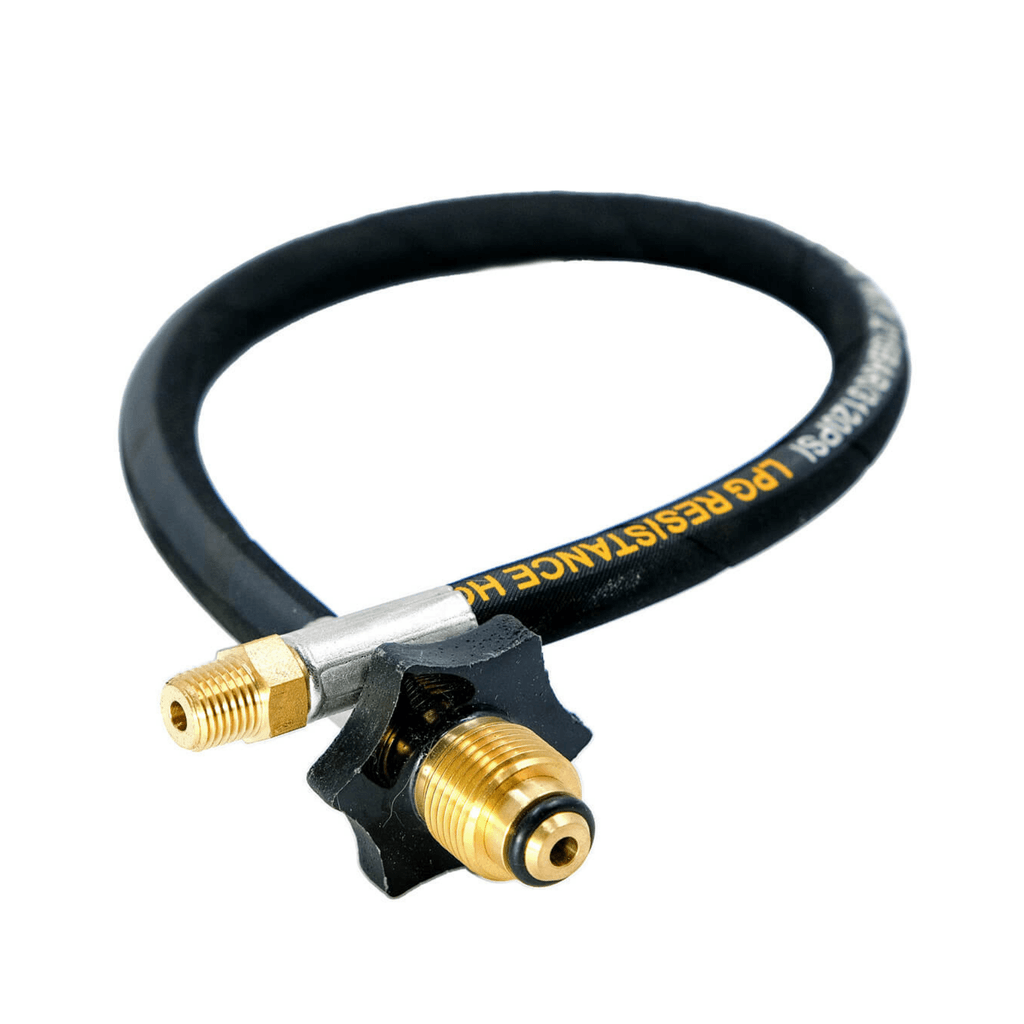
On cylinder setups, the pigtail hose usually lives outside in the sun, wind and dust. It’s easy to forget until something goes wrong, so make it a fixed part of your gas safety check.
Look closely at the ends of the pigtail hose near the cylinder. Cracking, stiffness or a brittle feel are warning signs. Check fittings and threads for rust or damage from being knocked or dragged. If the cylinder has clearly taken a few hits, assume the pigtail hose has too.
If there’s any doubt, fit a new pigtail hose. It’s a small piece in the system, but it carries full cylinder pressure, not where you want to “see how long it lasts”.
Gas regulators that are not “fitted and forgotten”
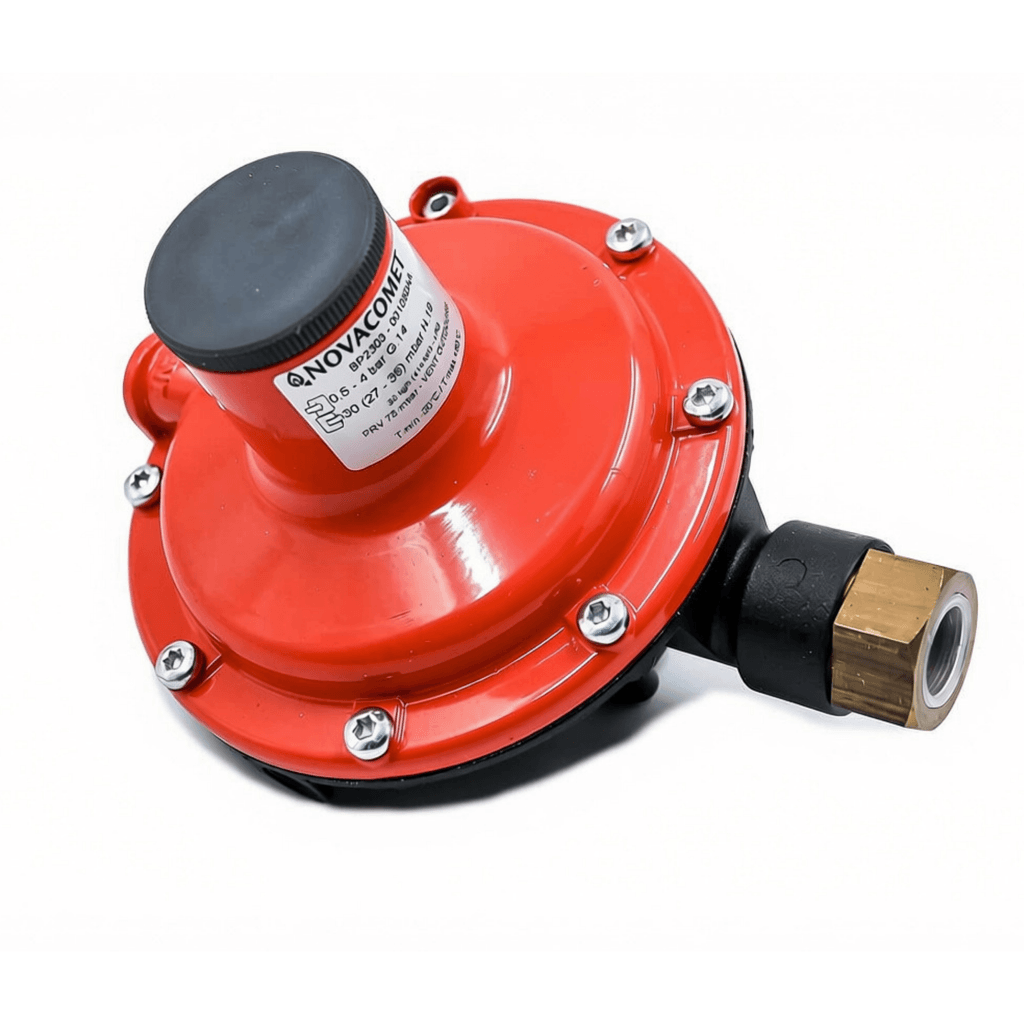
Clients tend to think a gas regulator lasts forever. We know it doesn’t. A pre‑summer gas safety check is a good time to see if it’s still doing its job.
When you look at a gas regulator, ask:
- Is it the correct type and rating for this installation?
- Is the body in decent condition and has no serious rust or damage, vent not blocked?
- Has it simply been on there too long for the conditions?
If you’re unsure on any of these, recommend a new gas regulator. Explain it simply. This part controls the pressure that feeds everything else. If it’s old or failing, the system can be unstable or unsafe. Most clients accept that, especially before a busy season.
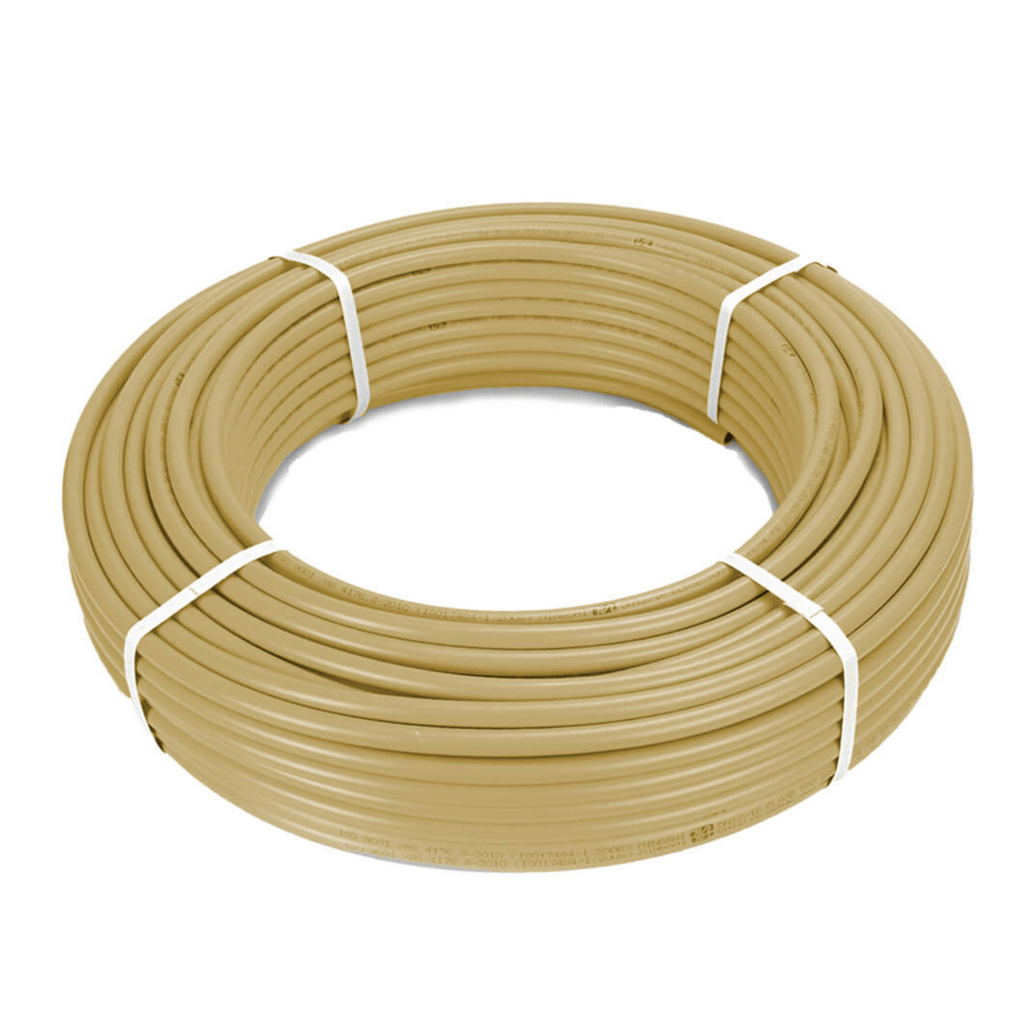
Fixed pipework and why PEX‑AL‑PEX gas pipe helps
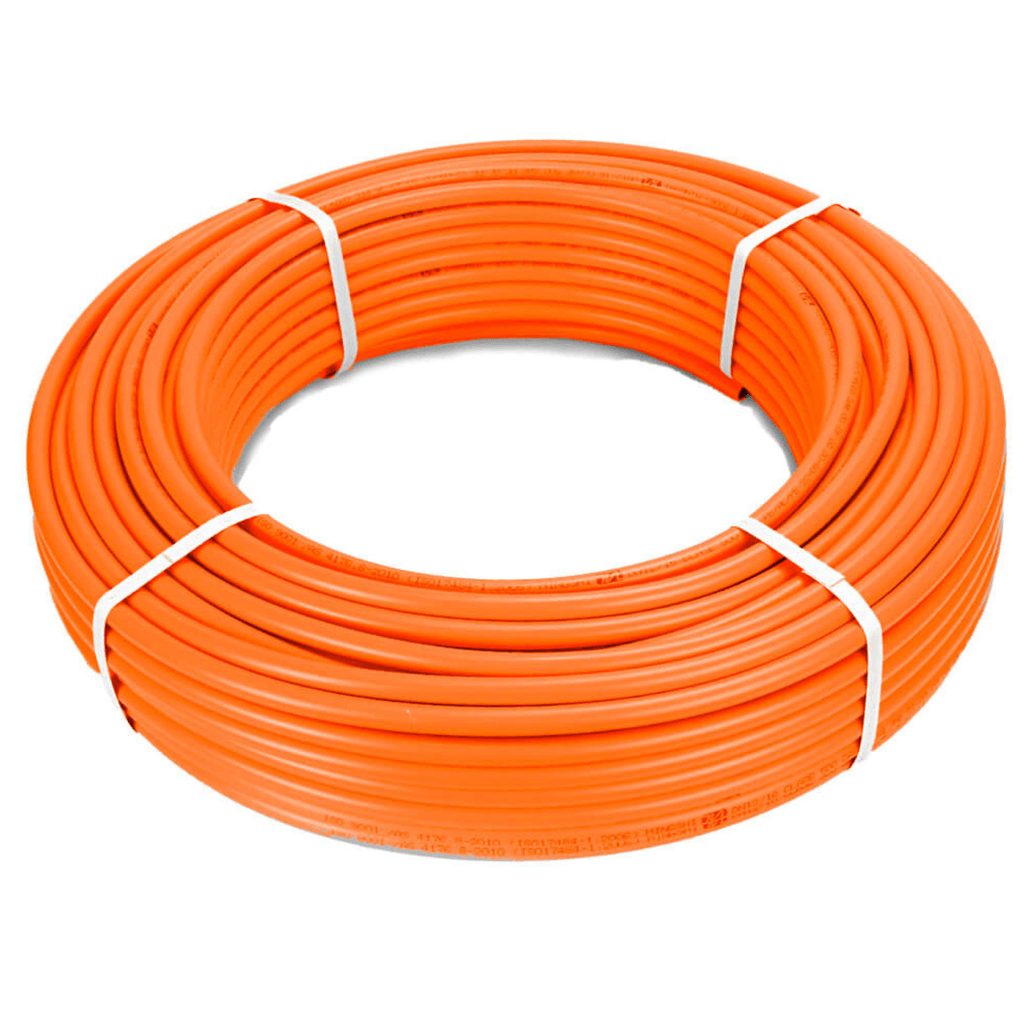
The fixed pipework is what ties the LPG gas installation together. This is where certified PEX‑AL‑PEX gas pipe makes a difference.
PEX‑AL‑PEX gas pipe is light, stable and properly certified for gas use (ISO 23003, AENOR, AS4176:8). It lets you run neat, continuous lines along walls, ceilings and through cavities without the weight and hassle of traditional metal pipe.
During a gas safety check, look at how that line has been installed. PEX‑AL‑PEX gas pipe should be properly supported, with smooth bends and no rubbing points. It shouldn’t be hanging loose or sitting over sharp edges. Fittings on PEX‑AL‑PEX gas pipe should come from the matching system, not a mix of brands and types.
If you find unknown plastic pipe with no clear markings, that’s a red flag. In those cases, a recommendation to change over to certified PEX‑AL‑PEX gas pipe and the correct fittings is one of the best pre‑season upgrades you can offer.
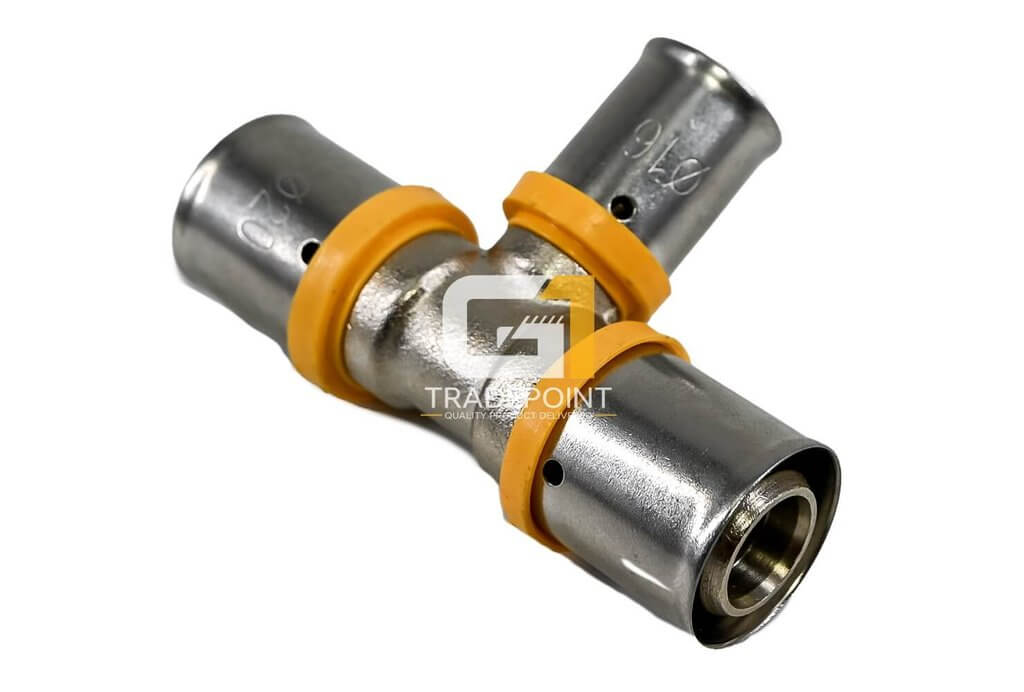
Fittings and joints that are tidy now and have fewer leaks later
Every joint is a potential leak point. The more joints, the more chances for trouble.
During your gas safety check, slow down at clusters of gas fittings. Check alignment, look for staining or residue that might show a past leak, and see if any joint is under strain because the pipe is pulling against it. On systems built with PEX‑AL‑PEX gas pipe, you can usually keep joints to a minimum thanks to longer runs and smooth bends.
If you see a run with far too many fittings or a messy layout, it may be worth proposing a re‑run of that section using longer pieces of PEX‑AL‑PEX gas pipe and fewer joints. It looks better and removes several possible leak points in one go.
Leak testing and the step you never rush
Once you’re happy with the hoses, pigtail hose, gas regulator, PEX‑AL‑PEX gas pipe and fittings, you still need to prove the system is tight. A gas safety check without a proper leak test isn’t finished.
Use the method that fits your regulations and your way of working. Pressure testing with a gauge, or a systematic check of all joints with approved leak detection solution. The important thing is not to rush because the client wants to light the braai.
A good leak test:
- Covers the full line, not only the part you’ve worked on
- Is done with appliances and valves in the correct test positions
- Is only signed off once you’re satisfied the system is stable
If you find a leak, fix it properly or isolate that section so it can’t be used. “We’ll sort it later” is how reputations get damaged.
Explaining the check to the client
The last part of a solid gas safety check is the chat with the client. They don’t need the technical details, just a clear idea of what you did and why.
Keep it straightforward. Tell them you:
- Checked all gas hose and pigtail hose for age and damage
- Assessed the gas regulator condition and suitability
- Inspected the fixed lines, including any PEX‑AL‑PEX gas pipe and gas fittings
- Finished with a full leak test
If you replaced parts, show the old ones and explain in one sentence what was wrong. Most people understand that spending a bit now is better than dealing with a gas leak or a dead braai when guests are there.
Pre‑summer checks protect your schedule and your name
Doing a proper gas safety check before braai season protects your customers and your diary.
By sorting out weak hoses, tired gas regulators, worn pigtail hose, suspect gas fittings and questionable fixed lines early, you cut down on weekend emergencies when you’re already busy or finally off duty.
And when you build and upgrade systems with certified PEX‑AL‑PEX gas pipe and matching fittings from a responsible supplier like G1 Tradepoint, you know the hardware behind your work is up to standard. That makes it much easier to put your name on an installation and stand by it when gas use ramps up for summer.