

If you’re new to using gas appliances, understanding the role of an LP gas regulator is crucial for ensuring safety and efficiency in your home. In South Africa, where gas is a popular energy source for cooking and heating, knowing the ins and outs of these small but vital components can make a big difference. This guide will walk you through what you need to know about LP gas regulators.
What is an LP Gas Regulator?
An LP (liquefied petroleum) gas regulator is a device that reduces the high pressure from a gas cylinder to a lower, stable pressure required by appliances. It ensures that the gas flows steadily and safely, allowing your stove, heater, or geyser to function properly. Without a regulator, the pressure could be too high, posing a risk to both the appliance and your safety.
Why is it Important?
The primary function of an LP gas regulator is to maintain a consistent pressure level. This consistency is crucial for the safe operation of gas appliances. Fluctuations in gas pressure can lead to inefficient burning, resulting in wasted energy and potentially harmful situations. A reliable regulator ensures that your appliances run smoothly, efficiently, and safely.
Types of LP Gas Regulators
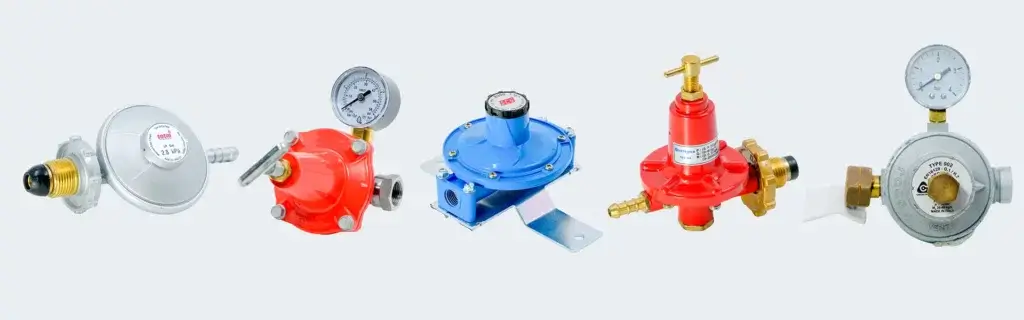
There are several types of LP gas regulators, each designed for specific applications:
- Single-Stage Regulators: These are suitable for smaller appliances with low gas demand. They reduce cylinder pressure to appliance pressure in one step.
- Two-Stage Regulators: Ideal for larger installations, these regulators reduce pressure in two steps, providing a more stable output for high-demand appliances.
- Automatic Changeover Regulators: These are used in setups with multiple gas cylinders. When one cylinder runs out, the regulator automatically switches to the next, ensuring uninterrupted gas supply.
How to Choose the Right Regulator
When selecting an LP gas regulator, consider the following factors:
- Appliance Requirements: Ensure the regulator matches the pressure and flow rate needed by your appliances. Check the manufacturer’s specifications for guidance.
- Installation Environment: Consider whether the regulator will be used indoors or outdoors, as some models are designed to withstand weather conditions.
- Safety Standards: Choose a regulator that complies with South African safety standards. This ensures quality and reliability.
Installation and Maintenance
Proper installation and regular maintenance of your LP gas regulator are essential for safety and efficiency:
- Installation: It’s recommended to have a professional install your gas regulator to ensure it is set up correctly and safely.
- Regular Checks: Inspect the regulator and connections periodically for any signs of wear or damage. Replace any components that show signs of corrosion or leaks.
- Keep It Clean: Ensure the regulator is free of dust and debris, which can affect its performance.
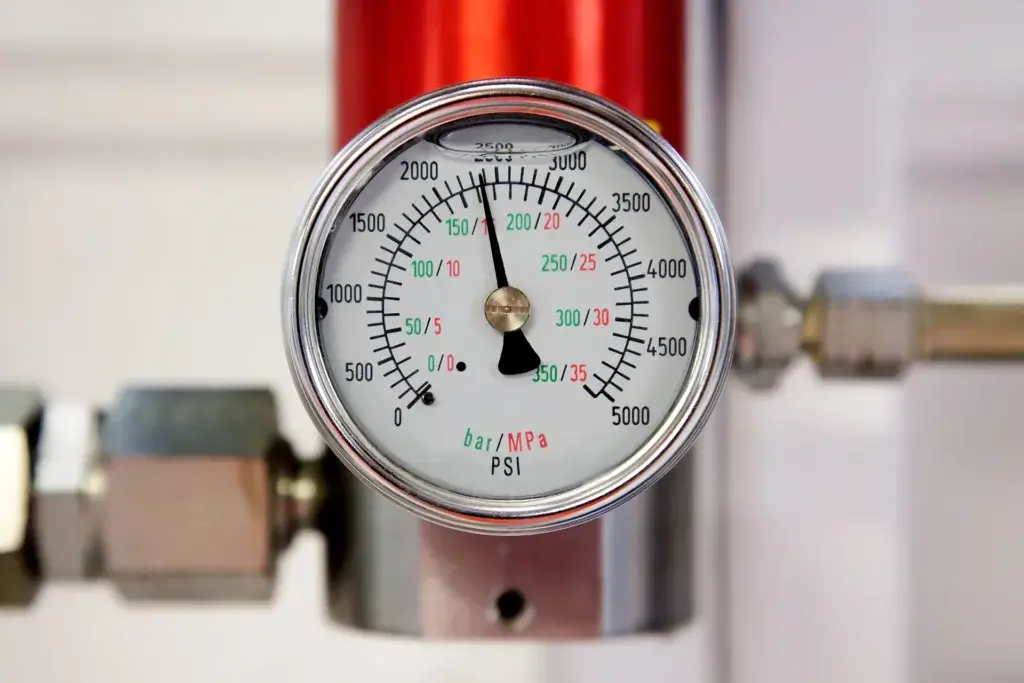
Understanding and choosing the right LP gas regulator is key to ensuring the efficiency and safety of your gas appliances. When you’re cooking up a storm or enjoying a warm shower, a reliable regulator keeps everything running smoothly.
Ready to find the perfect LP gas regulator for your setup?
Visit G1 Tradepoint to explore our selection of high-quality regulators and make your home safer and more efficient today.